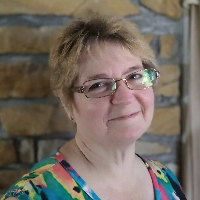
Deborah Meabon
Trauma-informed care for meaningful healing
Start with Deborah MeabonLicensed · Professional · Cancel Anytime

Trauma-informed care for meaningful healing
Start with Deborah MeabonLicensed · Professional · Cancel Anytime
Deborah Meabon is a trauma-focused therapist who works with people affected by domestic violence, sexual assault, and other traumatic experiences. She helps individuals who struggle to find and maintain an inner sense of safety and peace and who may be experiencing anxiety, depression, PTSD symptoms, or patterns of addictive behavior. Deborah brings six years of therapy experience alongside additional social work background to support healing and symptom relief.
In addition to her therapy work, Deborah spent four years serving as a hospice counselor and social worker and has twelve years of experience working with people who have disabilities. Those roles have deepened her understanding of grief and how loss and life transitions - such as job changes, retirement, moving, or changes in ability - intersect with trauma and adjustment.
She is a Pennsylvania-licensed clinical social worker, listed as PA LCSW CW022025, and uses a range of evidence-informed and experiential methods. Her clinical toolbox includes EMDR (Eye Movement Desensitization Reprocessing), PC (Progressive Counting), CBT (Cognitive Behavioral Therapy), IFS (Internal Family Systems), mindfulness practices, Crave-Ex for addiction work (which incorporates EMDR), attachment-focused approaches, somatic awareness, trauma-focused psychotherapy, art therapy, and systems theory.
Deborah’s work often follows a gradual, skill-based path that supports safety and empowerment. Her general approach includes 1) teaching skills to reduce anxiety and depressive symptoms; 2) exploring links between past traumatic events and current triggers; 3) building emotional tolerance for trauma work; 4) gently processing trauma memories and reactions; and 5) rebuilding emotional wellness with improved self-esteem, boundary-setting, relationship skills, and communication. She notes that if someone prefers a more traditional, talk-only therapy style, her approach may not be the ideal match.
A central aim of Deborah’s practice is to help people replace long-held negative self-beliefs with more hopeful, reinforced positives over time. She welcomes the opportunity to begin this healing work with those ready to move toward greater emotional wellbeing.
Many people wonder whether remote therapy can truly help. For common concerns such as stress, anxiety, depression, relationship difficulties, or navigating life transitions, online therapy has been shown to be as effective as traditional in-person care.
One major benefit is flexibility - people can connect in the format that fits their schedule and comfort level, whether by video call, phone, live chat, or in-app messaging. This adaptability makes it easier to maintain consistent care amid busy lives.
Therapy provided online is delivered by licensed professionals, and clients have the option to switch therapists if they need a different match. For many individuals, receiving care remotely provides an accessible and practical way to pursue mental health goals without sacrificing quality of treatment.