
Dr. Shawn Hysten-Williams
Dr. Shawn Hysten-Williams, Ed.D., LPC is an experienced psychotherapist with over a decade of experience in goal-focused approaches and Cognitive...
12 years experience Texas

You’ve taken an important step by seeking support, and this directory is a safe place to find clinicians experienced with self-harm. You’re in the right place to connect with professionals who will listen, respect your experience, and help you explore options.
Online therapy offers flexibility, privacy, and convenience, so you can meet from home on your schedule. Browse the therapists listed below to explore profiles and find someone who feels like a good fit for you.
Dr. Shawn Hysten-Williams, Ed.D., LPC is an experienced psychotherapist with over a decade of experience in goal-focused approaches and Cognitive...
12 years experience Texas

I am licensed in Texas with 20 years of professional work experience. I have experience in helping clients with stress...
20 years experience Texas

As a licensed therapist in Georgia, I specialize in supporting individuals navigating complex emotional landscapes. My approach is deeply compassionate...
10 years experience Georgia

I am licensed in Washington with 20 years of professional work experience. I have experience in helping clients with coping...
20 years experience Idaho
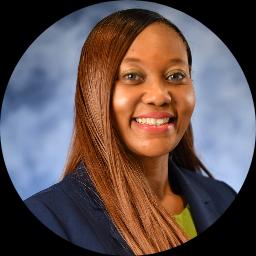
I am a licensed clinical social worker with over 20 years of experience working with patients who have various mental...
21 years experience Alabama

As a licensed therapist in Illinois, I bring 16 years of dedicated experience supporting individuals through complex emotional landscapes. My...
16 years experience Illinois

I am licensed in Florida with 26 years of professional work experience. I have experience in helping clients with relationship...
30 years experience Florida

I am licensed in New Mexico with 5 years of professional work experience helping my clients discover and leverage their...
6 years experience New Mexico

I am a clinical psychologist licensed in Alabama, practicing for 20 years. I have been in academic and research circles...
23 years experience Alabama

I have been a therapist for over 32 years and I have worked in many different areas. I have been...
32 years experience Kentucky

I am licensed in California with 40 years of professional work experience. I have experience in helping clients with LGBT-related...
45 years experience California

Welcome, I am Dr. Susan Schaming, a psychotherapist licensed in New Jersey and Pennsylvania with 38 years of professional experience....
38 years experience New Jersey

I am licensed in California with 25 years of professional work experience. I have experience in helping clients with stress...
25 years experience California

Dr. Tabitha Thompson is a Licensed Clinical Social Worker (LCSW) who finds value in helping others see the strengths in...
12 years experience California

I’m Tangela Isely, a Licensed Professional Therapist in Texas, Oregon, and Maine with over 19 years of experience. I am...
19 years experience Texas

Tara Harvey is an LPC-MHSP licensed in Tennessee, with 15 years of experience. Educational experience comes from the University of...
20 years experience Tennessee

I am credentialed in the UK with over 6 years of professional work experience. I have experience in helping clients...
6 years experience United Kingdom

Life is too short to let the everyday burdens we face create turmoil, and gain control over our emotions. Our...
35 years experience New Jersey

I am a cognitive-behavioral psychologist & have focused my work on helping children, adults & older adults to develop skills...
33 years experience Massachusetts

Dr. Tiffany Ragan, PsyD. is a licensed psychologist in Florida. She received her APA accredited doctorate degree in Clinical Psychology...
15 years experience Florida

Hi, I’m Dr. V.! As a nationally board-certified and licensed therapist in Florida, I bring 17 years of dedicated experience...
17 years experience Florida

I specialize in supporting individuals experiencing a range of emotional and life challenges, including anxiety, depression, low self-esteem, body image...
18 years experience Maryland

I am licensed in District of Columbia with 26 years of professional work experience. I have experience in helping clients...
30 years experience District of Columbia

As a licensed therapist in Florida, Georgia and Massachusetts I bring over two decades of dedicated experience supporting individuals through...
20 years experience Florida

Welcome! Thank you for your consideration to work with me. My main goals in our work together are to develop...
8 years experience Ohio
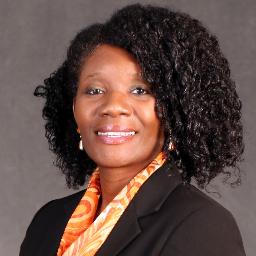
Is stress, anxiety, and depression weighing you down? Are your relationships missing love and joy? Is addiction, trauma, or loss...
21 years experience Oklahoma

As a licensed therapist in Arizona, I bring over 15 years of dedicated experience supporting individuals through complex emotional landscapes....
15 years experience Arizona

We all lead busy, complex lives and often are very hard on ourselves… actually, we’re doing “the best we can...
31 years experience Arkansas

Hello, I am Dr. Verda Bradley. I have over thirty years experience as a licensed clinical psychotherapist. My practice is...
30 years experience California

I am a Licensed Professional Counselor in Texas with nearly 30 years of combined experience in education and mental health....
25 years experience Texas

As a bilingual clinician fluent in both Spanish and English, I possess a wealth of expertise in the mental health...
23 years experience New York

I am a Licensed Clinical Social Worker (PA) with more than has more than 25 years of experience as a...
27 years experience Pennsylvania

I am licensed in Florida with 19 years of professional work experience. I have experience in helping clients with lgbtq+...
19 years experience Florida

I am licensed in North Carolina with 18 years of professional work experience. I have experience in helping clients with...
21 years experience North Carolina

Welcome tо My Practice Are you feeling stuck, overwhelmed, оr unsure how tо navigate life’s challenges? I’m a licensed counsellor...
18 years experience United Kingdom

I am licensed in Illinois with 35 years of professional work experience. I have experience in helping clients with stress...
35 years experience Illinois

I am licensed in North Carolina with 25 years of professional work experience. I have experience in helping clients with...
25 years experience North Carolina

I am a dedicated and compassionate psychotherapist committed to helping people make sense of their life stories and find lasting...
12 years experience United Kingdom

I am licensed in California with 24 years of professional work experience. I have experience in helping clients with stress...
24 years experience California

I am licensed in Texas with 7 years of professional work experience. I have experience in helping clients with stress...
7 years experience Texas
Self-harm can feel isolating, confusing, and frightening for the person experiencing it and for loved ones trying to help. If you’re looking for a therapist who understands self-harm and can support you through urges, safety planning, and underlying emotional pain, online therapy expands your options and makes it easier to connect with clinicians who specialize in this area. This page explains what self-harm concerns often involve, how online therapy can help, and how to find a therapist who is a good match for your needs.
Self-harm refers to intentionally injuring oneself, often as a way to cope with overwhelming emotions, numbness, or distressing thoughts. People who self-harm may use cutting, burning, hitting, or other behaviors. For some, self-harm is a way to release tension or feel a sense of control. For others, it may be linked to traumatic experiences, depression, anxiety, or intense interpersonal stress.
Self-harm is a sign that someone is struggling and needs compassionate support. It is not a moral failing. Therapy can help identify emotional triggers, develop safer coping skills, and address the underlying issues that contribute to the behavior. If there is any concern about immediate danger, it’s important to reach out to emergency services, a local crisis line, or a trusted person right away.
People who self-harm often share certain worries and needs when seeking help. Many worry about stigma, judgment, or having their behavior misunderstood. Confidentiality is a major concern – clients want to know when a therapist will involve others for safety reasons and what that process looks like.
Another common need is learning practical tools to reduce urges and manage intense emotions without harming oneself. People may also seek therapy to understand the root causes of their behavior – such as past trauma, relationship problems, or mood-related symptoms – and to build a life where distress is more manageable.
Family members and partners may look for guidance on how to respond without increasing shame, how to encourage help-seeking, and how to support safety at home. Adolescents and young adults often need therapists who can work sensitively with parents, schools, and other supports while respecting the young person’s autonomy and privacy as appropriate.
Online therapy makes it easier to find clinicians with specific experience in treating self-harm. If local options are limited, teletherapy lets you search more broadly for therapists trained in approaches that are effective for self-harm, such as dialectical behavior therapy (DBT), cognitive-behavioral techniques, and trauma-informed care.
Online sessions can feel less intimidating than an in-person office visit. You can meet from a familiar, comfortable space, which may help you open up sooner. For people in rural areas, those with mobility challenges, or those juggling school and work, remote sessions remove barriers like travel time and scheduling conflicts.
Telehealth also allows for continuity of care during life transitions – moving cities, college breaks, or periods of limited transportation – so progress is less likely to be interrupted.
Online therapy offers several practical benefits while still allowing for high-quality care. It expands access to specialists who have experience with self-harm and related issues, increasing the chances of finding a strong therapeutic match. The convenience of attending from home reduces missed appointments and supports more consistent work on coping strategies.
Some people feel more comfortable disclosing difficult experiences when they are in their own space, which can accelerate therapeutic progress. For caregivers and family members, online sessions can make it easier to include them in joint sessions when that is helpful.
That said, in-person therapy may be preferable for those who value face-to-face interaction or need hands-on crisis support. For people at immediate risk, local, in-person resources and emergency services are critical. Online therapy is a powerful option for many people, but it should be chosen with attention to personal safety needs and the therapist’s remote crisis procedures.
The first few sessions typically involve an assessment where the therapist asks about the history of self-harm, triggers, frequency and methods, current supports, and any past treatments. You can expect a collaborative discussion about safety planning and immediate steps to reduce risk.
Therapists often work with clients to develop a safety plan – a personalized, nonjudgmental set of strategies for managing urges and identifying who to contact if distress escalates. Confidentiality and its limits will be discussed, including how the therapist handles situations where there is imminent risk of serious harm.
Evidence-based strategies for self-harm often include building emotion regulation skills, distress-tolerance techniques, problem-solving, and addressing underlying issues through trauma-focused or cognitive approaches. Therapy tends to be skill-focused and practical, while also exploring deeper patterns that contribute to self-injury.
When searching for a therapist, look for clinicians who explicitly list experience with self-harm, risk assessment, and safety planning in their profiles. Training in DBT, trauma-informed care, or adolescent mental health can be especially helpful, depending on your situation.
Consider practical factors such as licensure in your state or country, experience with telehealth, session availability, and whether the therapist works with your age group or cultural background. It’s okay to reach out with questions before booking a session – ask how they approach safety planning, what happens if you’re in crisis during a remote session, and how they involve family members when appropriate.
Trust your comfort level. A good therapeutic match includes feeling heard, not judged, and understood. Many therapists offer brief consultations so you can get a sense of their style and whether it feels like a fit.
Reaching out for help is a brave and important step. If you’re thinking about therapy, start by searching for therapists who list self-harm or related concerns in their profiles and offer online sessions. A short consultation call or message can help you decide who feels right for you.
If you are in immediate danger or feel that you might be unable to keep yourself safe, contact local emergency services or a crisis line right away. If you are in the United States and need immediate help, calling 988 connects you to the Suicide & Crisis Lifeline. If you are elsewhere, contact your local emergency number or a regional crisis service. If possible, let a trusted friend or family member know you’re struggling and ask them to stay with you until you’re safe.
Finding the right therapist can make a meaningful difference in how you cope with urges and build a safer, more manageable way of living. You do not have to navigate this alone – online therapy can connect you with experienced professionals who will work with you at your pace to reduce harm and support healing.