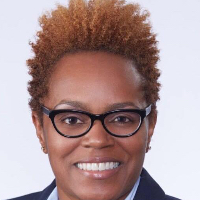
Dr. Stephanie McVea
Compassionate guidance for meaningful change
Start with Dr. Stephanie McVeaLicensed · Professional · Cancel Anytime

Compassionate guidance for meaningful change
Start with Dr. Stephanie McVeaLicensed · Professional · Cancel Anytime
Dr. Stephanie McVea grew up in Dallas and has lived in several major urban centers, including New Orleans, LA; Washington, D.C.; Jersey City, NJ; and New York City. She earned a Ph.D. in Counseling Psychology from Howard University and brings nineteen years of clinical experience to her work with individuals and families.
She is licensed in California as a professional clinical counselor, which reflects her training and qualification to provide mental health care. Dr. McVea is particularly attuned to the needs of children and adults who face mental health challenges, including those affected by domestic and family violence as well as child abuse.
Beginning therapy can feel intimidating, and she recognizes the importance of a dependable therapeutic relationship. Dr. McVea emphasizes the therapist’s role in creating a safe, nonjudgmental space and approaches each person with unconditional acceptance to foster a nurturing counseling alliance.
She views each person through the lens of their unique life experiences and believes those experiences shape how people see themselves and relate to others. Misunderstandings and miscommunication often arise from differing perceptions, and painful or traumatic events can become normalized in ways that harm social, interpersonal, and intimate relationships.
For Dr. McVea, counseling is a process of helping people become more aware of their authentic selves and of how upbringing, family of origin, cultural and ethnic background, religious beliefs, sexual orientation, and socioeconomic circumstances have influenced their lives. Because therapy may involve revisiting difficult memories, sessions can sometimes feel uncomfortable or intrusive, and a range of emotions is to be expected.
Clients may feel sadness, relief, confusion, hope, or moments of joy as they work through issues. Dr. McVea asks clients to trust the therapeutic process, with the goal that increased self-understanding will lead to healthier relationships, improved family dynamics, and greater self-worth.
Many people ask whether online therapy can really help. For common concerns such as stress, anxiety, depression, relationship challenges, or navigating life changes, research and clinical experience indicate that online therapy can be as effective as traditional in-person sessions.
One major benefit is flexibility. People can meet with a therapist in the format that suits them best - video calls, phone sessions, live chat, or in-app messaging - which can make it easier to integrate therapy into a busy schedule.
Licensed professionals deliver care through these options, and if someone feels a different match would be better, it is possible to switch therapists at any time. For many, online therapy offers a practical and effective way to address everyday mental health needs and relationship concerns.